How to Choose the Right Gasket Profile for Your Glazing Project
How to Choose the Right Gasket Profile for Your Glazing Project
Tavern Talk | Orazen Extruded Polymers
Picking a gasket profile isn't just a formality on a spec sheet. The right custom gasket profile is what keeps a glazing system watertight, airtight, and stable for decades, while the wrong one can mean callbacks, leaks, and a building envelope that fails early. Here's what actually matters when you're specifying or sourcing one.
Start With the System, Not the Catalog
Every glazing system, whether it's a curtain wall, storefront, or window wall, has its own tolerances and movement expectations. Before looking at gasket options, you need to know:
• The exact glass thickness and frame dimensions against which the gasket will sit against
• How much thermal movement the system is designed to absorb
• Whether the gasket needs to handle structural loads or purely seal against air and water
A profile that works for one system's tolerances won't necessarily work for another, even if the gasket “looks similar” on a spec drawing.
Match Material to the Environment
Profile shape is only half the decision. The rubber compound itself has to hold up to what the building will actually face:
• EPDM for long-term UV and weather exposure, the standard for most exterior glazing gaskets
• Silicone where extreme temperature swings or higher flexibility are priorities
• Custom durometer (hardness) based on how much compression the gasket needs to maintain over the years of service
Getting the durometer right matters as much as the shape. Too soft, and the gasket loses its seal under long-term compression. Too firm, and it may not seat properly against the glass.
Don't Underestimate Tolerances
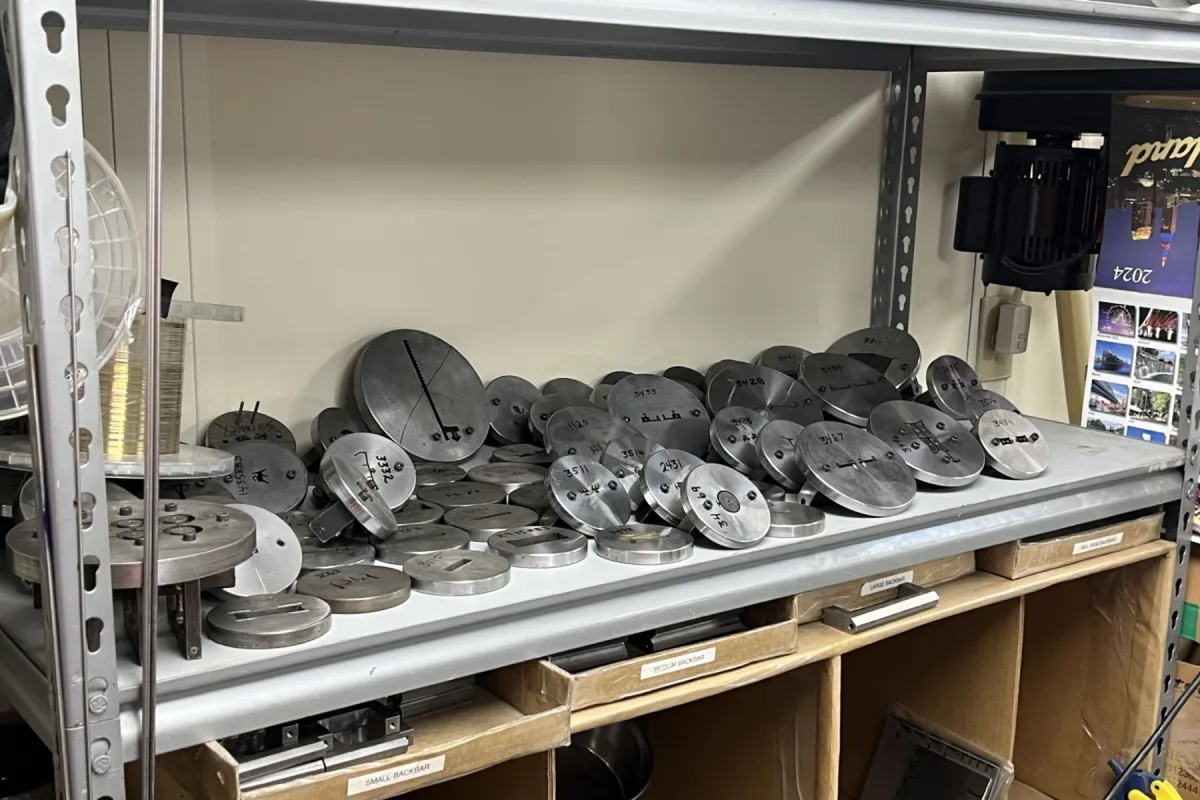
Small dimensional differences add up fast in a glazing gasket. A profile that's off by even a few thousandths of an inch can affect how well it compresses, which shows up later as air infiltration or water intrusion, not immediately at installation. This is where working with a manufacturer that controls tooling in-house pays off, since tolerances can be verified and adjusted before a full production run, not after a batch already shipped.
When to Go Custom vs. Off-the-Shelf
Standard, catalog gasket profiles work fine for common window and door applications. But for larger commercial glazing projects, especially unusual frame geometries or specialized performance requirements, a custom profile designed around your exact system usually outperforms a generic one. It also avoids the compromise of adapting your design to fit an existing extrusion instead of the other way around.
Getting It Right the First Time
The fastest way to avoid rework is to loop in your extrusion partner early, ideally at the design stage rather than after drawings are finalized. A manufacturer with in-house design assistance and tooling can review your specs, flag tolerance issues before they become production problems, and get a working profile in front of you faster.
If you're specifying gaskets for an upcoming glazing project, our design assist and tooling team can help you land on the right profile the first time.
Have a glazing project that needs a custom gasket? Reach out to Orazen Extruded Polymers, and we'll help you find the right fit.
