Inside Our Tooling Shop: How We Prototype a New Extrusion Profile
Inside Our Tooling Shop: How We Prototype a New Extrusion Profile
Every custom extrusion starts as a drawing, but turning that drawing into a real, repeatable profile takes tooling. Here's a behind-the-scenes look at how a new profile actually comes together in our shop, from first sketch to production-ready die.
It Starts with the Spec
Before any tooling gets cut, we go through the drawing or sample with the customer to understand what the profile actually needs to do. Is it sealing against glass? Absorbing movement? Meeting a specific durometer or tolerance requirement? The answers shape every decision that follows, since a die designed around the wrong assumptions means rework later, not just a slower start.
Designing the Die
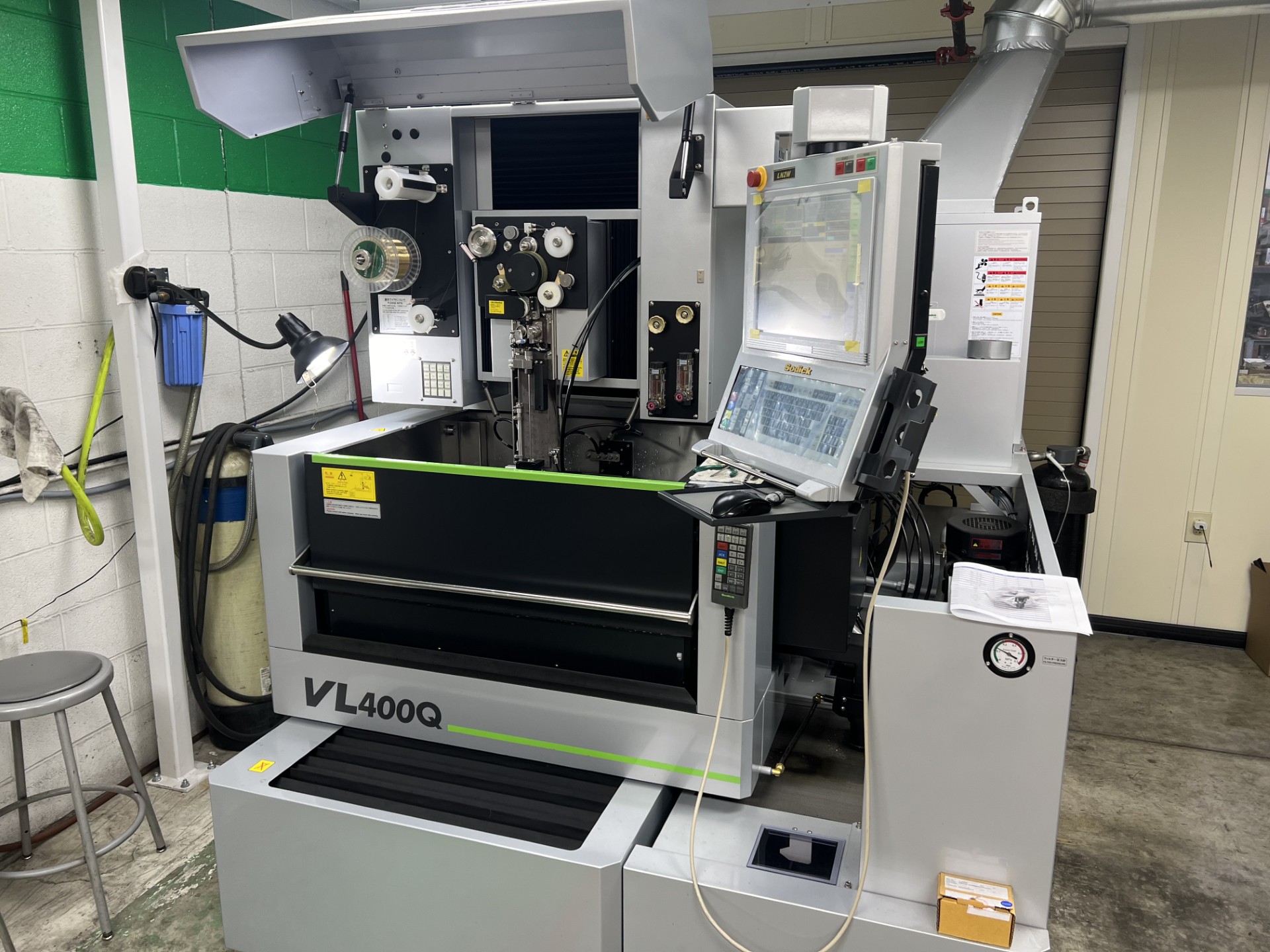
Once we understand the requirements, our tooling team designs a die: the precision tool that shapes rubber or plastic as it's extruded into the final profile. This is where custom extrusion tooling becomes as much art as engineering. Rubber and plastic behave differently as they cool and set, so the die has to account for material shrinkage and flow, not just match the final profile dimensions on paper.
Because we build and maintain our tooling in-house, we can adjust a die design quickly if something needs refinement, instead of waiting on an outside toolmaker's schedule.
Running the First Sample
With a die in hand, we run a prototype batch on our extrusion line. This first run tells us a lot:
Does the profile hold its dimensions within tolerance
Does the material cure and set correctly
Does the finished piece match the mechanical performance the application needs
More often than not, this first sample reveals small adjustments worth making before committing to a full production run, which is exactly the point of prototyping in the first place.
Refining Before Production
If the first sample needs tweaks, we go back to the die and make them. This might mean adjusting a land length, tightening a tolerance, or reworking a corner radius that isn't holding its shape. Because tooling lives in-house, these refinements typically take days, not the weeks it can take when tooling changes have to go back and forth with an outside vendor.
Why It Matters for Your Project
The prototyping stage is where problems get caught cheaply. Catching a tolerance issue in a small sample run costs a lot less than catching it after a full production order has already shipped, or worse, after it's installed on a building. That's the value of working with a manufacturer that treats design assist and tooling as part of the process, not a separate step billed and handled by someone else.
If you have a new profile in mind or an existing drawing that needs a manufacturing partner, our design assist and tooling team can walk you through what prototyping would look like for your project.
Have a new extrusion profile to develop? Reach out to Orazen Extruded Polymers, and we'll help you get from drawing to production.
